
The Five Stages of Grief - Why It’s Time to Debunk The Myth
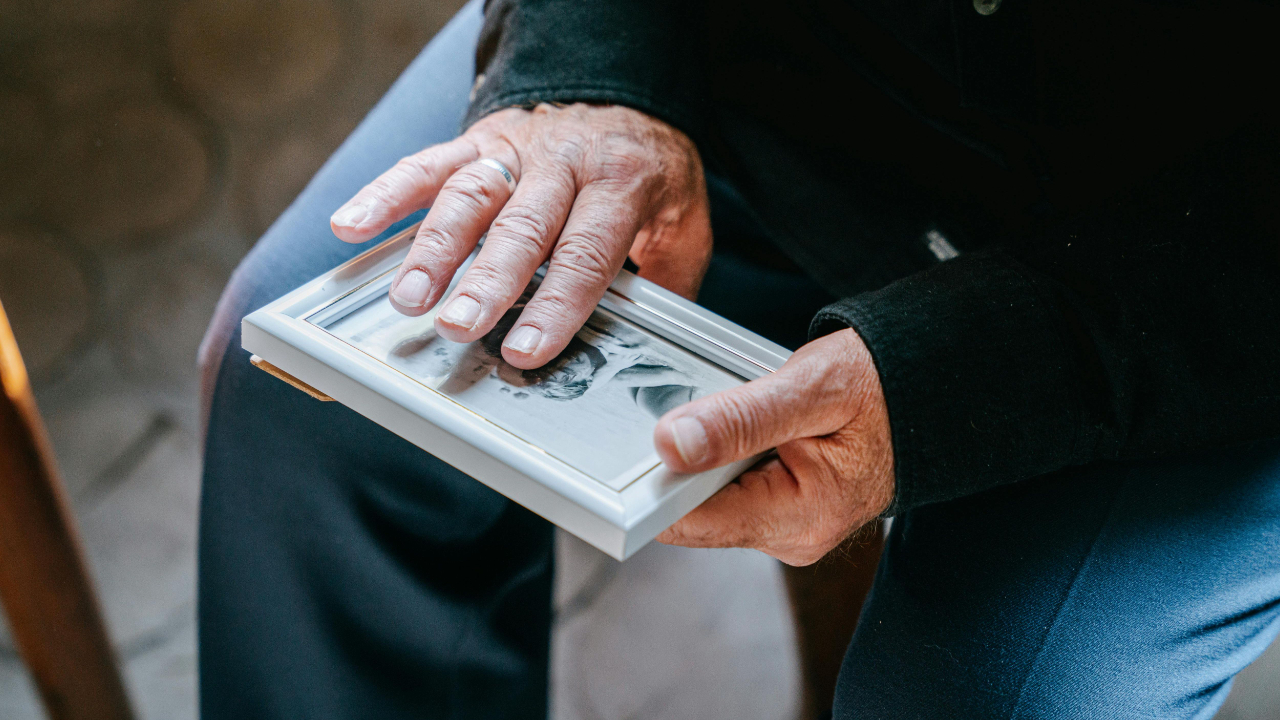
Over the years, one of the most commonly accepted theories for understanding grief has been ‘the five stages of grief’ - first outlined by Swiss-America psychiatrist, Dr Elizabeth Kubler-Ross in her 1969 book, ‘On Death and Dying’. The theory suggests that grief can be understood as a series of sequential emotional stages that we progress through as we confront loss. It’s a theory that has become ingrained in our cultural consciousness and is widely regarded as the go-to instruction manual for processing our feelings of grief. However, this blog will outline why the ‘five stages of grief’ has actually been misinterpreted, how it could in fact be detrimental to our grief journey and how other models may better explain our experience of loss.
What are the five stages of the Kubler-Ross model?
- Denial: a stage characterised by shock, numbness. We might find ourselves pushing back on the reality of our loss, refusing to believe that we’ve lost someone we love.
- Anger: as our grief pre...
Understanding and Easing the Physical Symptoms of Grief

When we think about grief, we often focus on the emotional toll that it places on us - the intense sorrow that throws our thoughts, behaviours and feelings into a tailspin. However, what we appear to have less understanding about are the physical symptoms of grief and the profound impact that grief has on our physical health. The physical pain we experience when we lose someone can often take us by surprise. It can add another layer of suffering onto our existing emotional trauma and can feel very frightening and confusing. In this blog, I’ll explore why we experience physical pain or discomfort during grief. I’ll identify the ways in which grief shows up in our bodies and share some tips on how we can ease these physical symptoms.
Why we experience physical pain during grief
During grief, especially those early stages, when our despair is so raw, our bodies enter into an intense and prolonged stress response, during which our sympathetic nervous system - essentially our threat detec...
My Husband has Died - Now What?

My husband has died. ‘Now what?’ ‘What do I do?,’ ‘What should I expect to feel?,’ As a grief coach, I get asked these questions a lot. They’re questions I asked myself when my husband passed away in 2016.
In this blog, I won’t be covering how to deal with the practicalities of losing someone such as how to arrange a funeral or pay off a mortgage. Instead, l’ll discuss how grief can impact you as a person. I’ll explore what grief is, how it manifests and how with the right knowledge and approach, you can learn to navigate it more peacefully.
How grief affects us
There are few things in life as painful as the death of a spouse. Overnight, our world shatters into a million pieces and we are suddenly thrust into a life of turmoil, where nothing looks familiar. Our loss affects every corner of our universe. We question how we will survive, or whether we even want to.
And what makes dealing with this loss even worse, is that we just aren’t prepared for the monumental impact that our ...
Widowhood Doesn’t Define You: How to Reclaim Your Identity After Loss

I speak to so many women who have lost their partner or husband and hate having to call themselves a widow. It’s a term that instantly reminds them of everything they have lost and one that comes with expectations. In this blog, I’ll suggest that the word ‘widow,’ is just that – a word, a label that society has conferred on us but that needn’t define nor limit us. I honestly believe that whilst it may describe what we are it shouldn’t ever define who we are.
Historical perceptions of widows
When we hear the word ‘widow,’ we tend to envisage a sombre elderly lady, dressed head to toe in black, not someone in their 30s, 40s or 50s. It’s an image that’s been handed down to us from the Victorian era when widows used to dress in black as a way of reflecting their inner pain and were also expected to curtail their social engagements and mourn for a significant period of time. Sadly, these societal expectations have endured and continue to shape and define widowhood today.
Unhelpful expe...
Why the Second Year of Widowhood Isn't Always Easier.

Widowhood is unimaginably hard. The heaviness of our grief, especially in that first year, can leave us nothing more than broken shells getting through each day on autopilot. For many of us therefore, getting through our first year of widowhood can feel like a monumental achievement - and something we should rightly be proud of. We might begin to look ahead to the second year of widowhood with less fear and more hope and wonder what it may bring: a greater sense of peace perhaps, a deeper sense of relief and surely…less pain? Sadly however, for many of us, the arrival of this second year can feel like an enormous sucker-punch - leaving us utterly blindsided and confused as we grapple with the reality of our loss.
In this blog, I’ll explore why the second year of widowhood isn’t always easier than the first and identify some ways we can help ourselves through it.
Why does the second year of widowhood feel harder?
#1 The reality of grief sets in
During the first year of grief, the sh...
Navigating Sexual Bereavement in Widowhood

When we lose a life partner, there are so many secondary losses we are forced to come to terms with such as financial stability, our sense of purpose and changes to our lifestyle. However, there’s one loss that is rarely spoken about, one that we find so hard to talk about openly and honestly: the loss of sexual intimacy, also known as sexual bereavement.
As human beings we are biologically wired to crave connection to others, both emotional and physical. When we are in a loving relationship, we experience that connection in many forms: being touched, hugged, kissed, caressed or sexually fulfilled. It becomes part of our everyday lives and is something we often take for granted. And so, when we lose our loved one, we are left with this unspeakable void. Whilst our partner is gone, we are still here, living, breathing and desiring human affection and yet our wants and needs are suddenly no longer being tended to.
This blog will explore the subject of sexual bereavement in widowhood. I...
How do I Start Dating Now that I’m a Widow?

For most people, the prospect of dating - of seeking a life partner - is one filled with anticipation, excitement and promise. However, dating following the loss of a partner can prove far more complex. This blog will address some of the most commonly asked questions on this topic and suggest that although re-entering the dating world can be fraught with challenges, if you are prepared to navigate these challenges consciously and honestly, you’ll open yourself up to a world of exciting new possibilities.
# 1 When should I start dating?
One of the questions I’m often asked is, ‘when is the right time to start dating again?’ And my answer: I don’t believe there is one. I have met some people who have been out and met someone within weeks or months of their person dying. Others can take years to grow comfortable with the idea of dating someone else and then there are some who vow never to meet anyone again. It’s all very individual. What is right for one person won’t be right for anoth...
Grieving Positively Not Perfectly

I’m often met with confusion and outright disbelief when I mention the words ‘grief’ and ‘positive’ in the same breath. And I get it, because let’s face it, grief is the antithesis of happiness. In fact, the word grief, has its roots in the Latin ‘gravare,’ which means to make heavy or to burden.
When our loved one dies our whole world, our sense of who we are, is ripped from underneath us. We’re left broken and bewildered and the pain that we feel - that deep, aching sense of loss, begins to smother us. Day to day life becomes a matter of survival, of mere self-preservation. We just want to get through it, without expending any additional effort. Our tanks are empty. We simply don’t have anything left to give.
How on earth then, are we supposed to grieve positively?
In this blog, I’ll discuss how grieving positively is not about dismissing or minimising our grief, on the contrary, grief is hard work. It has to be felt and we have to learn to sit with our discomfort in order to unde...
How Do I Part with My Loved One’s Belongings?
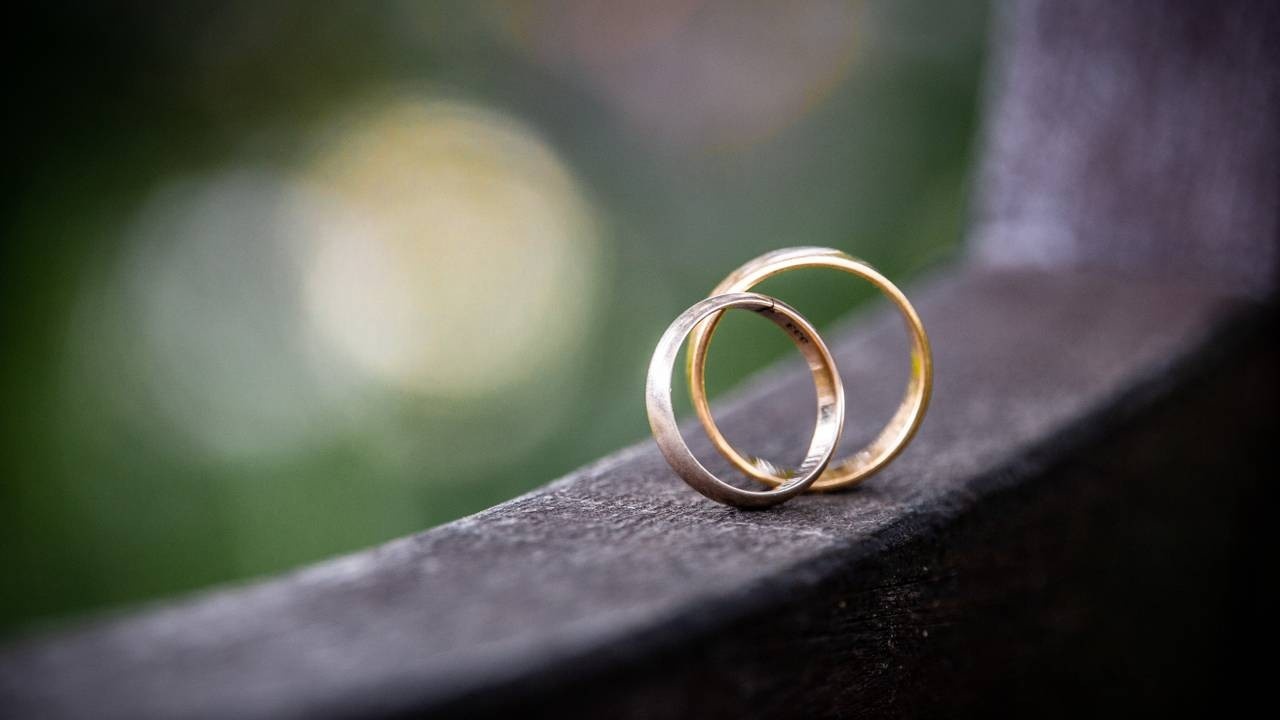
When we lose a loved one, dealing with their possessions can be one of the hardest parts of our grieving journey. As we begin to grapple with the notion of a life without them, knowing whether, when and how to part with their belongings can compound our grief and leave us feeling even more confused and upset.
Whether you’ve experienced a sudden loss, like I did, where my husband Simon was here for breakfast and gone by lunchtime or whether you’ve lost your loved one following a prolonged illness and you’ve had some time to discuss what to do with their belongings, knowing what to do and when to do it is still incredibly hard.
Our person has gone, they have physically left our world and yet, there is so much around our homes that reminds us of them and connects us to them – their shoes by the front door, their clothes in the wardrobe, their slippers by the bed, even their toothbrush in the bathroom. Every corner of our house is filled with constant reminders of their presence and th...
How Do I Cope with Widow Guilt?
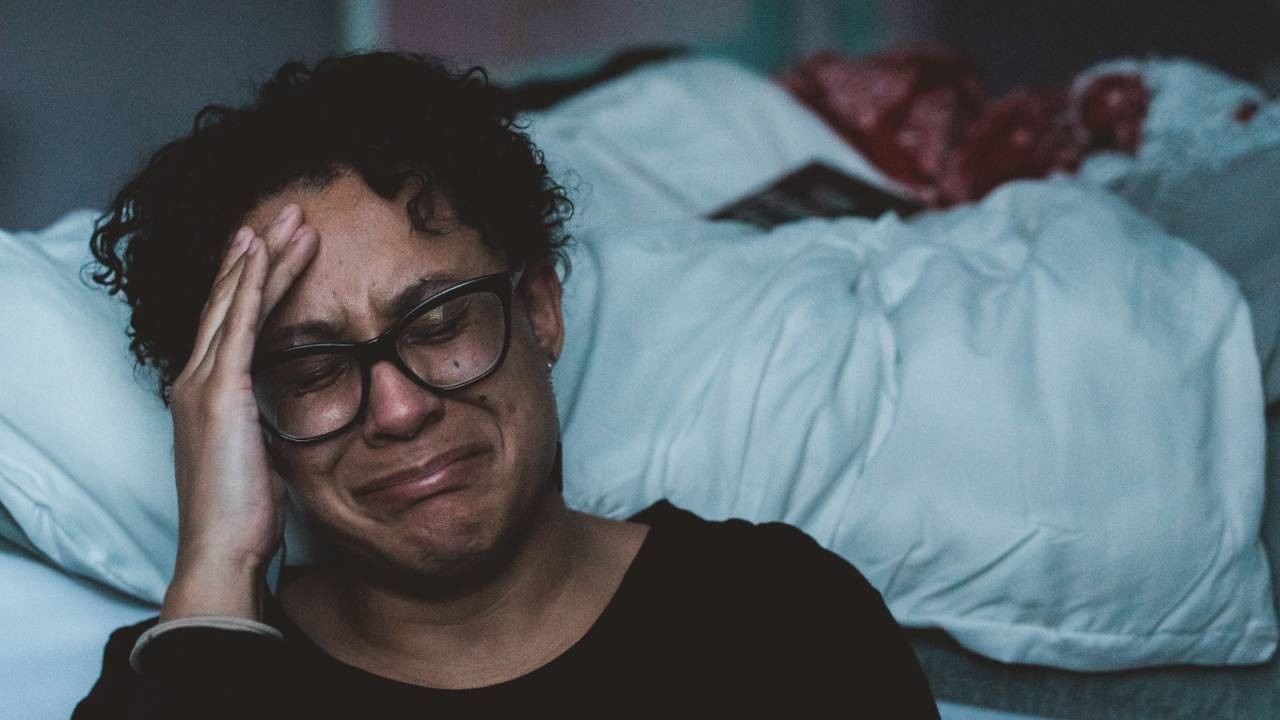
In many ways, guilt is grief’s unwanted companion and it shows up for so many of us, in so many ways. We feel guilty for what we did or didn’t do, for what we said or didn’t say, for not being enough, for surviving, for carving out a new life for ourselves, or for finding some joy in the midst of our grief. And we feel guilty for feeling guilty. It’s relentless. This blog will try to explain why we feel so guilty and explore some of the ways in which we can manage this guilt, for although it is natural to feel guilty during grief, it doesn’t have to be a constant reality. We don’t need to continually beat ourselves up. We can find our way through it and give ourselves permission to live a fulfilling life again.
Why do we feel guilty when we grieve?
Irrational guilt - the ‘shoulda, woulda, couldas’
Guilt during grief is so common and more often than not it stems from what we perceive to be our own inadequacy. When our loved one passes, we can start to fixate on the things we could h...
