
Holidaying as a Widow - Learning to Travel After Loss
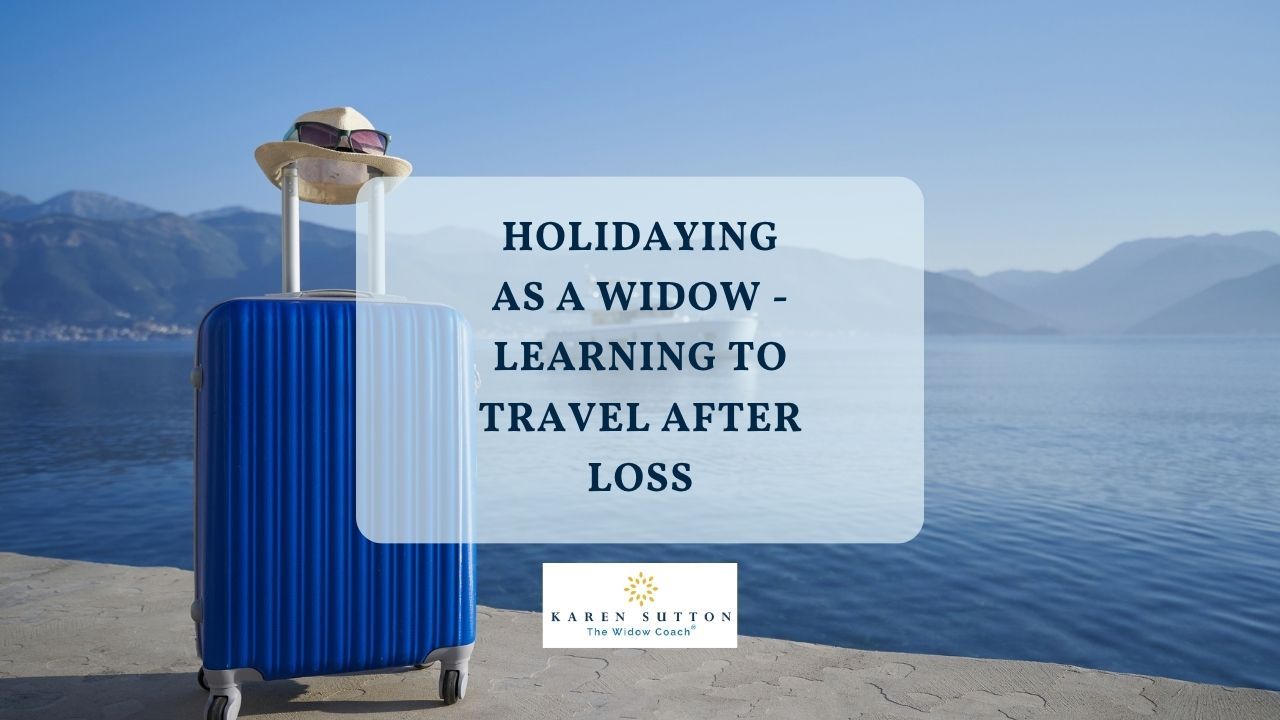
Becoming a widow radically changes so many things, including how we feel about going away. Holidays that were once shared or familiar experiences can suddenly feel complicated, emotionally-charged and logistically impossible. Yet,as widows, travel can also offer us space to breathe and moments of joy and can serve as a gentle reminder that life, although different, is still ours to experience.
In this blog, I want to explore holidaying as a widow, in all its honesty. I’ll acknowledge the hesitation and the guilt that can sometimes creep in, and the quiet fear of doing something alone for the first time. However, I’ll also explore the many different ways a holiday can support healing - whether that’s a peaceful retreat, a guided group trip, a visit with family or friends, or a brave solo adventure.
I’ll look at some of the different types of holidays available to us - the benefits they offer and the challenges we may face. I’ll suggest some tips on how to support yourself emotionally and practically, how to recognise when you’re ready to travel, and how to choose a holiday that truly meets your needs - not who you were before, but who you are now.
It’s worth remembering, there is no right timeline, no “correct” way to holiday, and no pressure. Just options, permission, and the possibility of finding moments of peace, strength, or even joy along the way.
Why holidaying as a widow can be triggering
Travel is deeply connected to memory. As a multi-sensory experience, travel alters our brain chemistry and creates enduring emotional connections. As such, thinking about travelling or ‘having a good time’ again after the loss of a loved one, can feel incredibly triggering. It forces us to confront our harsh new reality - shattering the ‘we’ and reinforcing our solo status in so many ways.
The physical absence of our partner is amplified when dealing with the logistics of travelling - whether that’s booking a ticket, navigating the airport, dining alone at a restaurant or visiting sights you once experienced together. Solo trips also force us to make decisions on our own, which can cause huge anxiety, confusion and self-doubt. And being alone when surrounded by families and couples can reinforce our identity loss and leave us feeling more self-conscious and lonely.
Please be kind to yourself. Accept that this flood of emotion is perfectly normal. Grief is not linear, there’s no beginning, middle or end. It is an ever-present companion and it travels with us, but so can hope and excitement about new adventures and possibilities.
Knowing when you’re ready
Deciding whether you’re ready to travel again after the loss of a spouse is a deeply personal decision. For some widows it happens within the first year and for others it can take several years. And it can be hard to know when you’re truly ready to embark on your first trip without your spouse, especially when those around you, as well-intentioned as they are, start to weigh in on your decision-making.
However, there are some signs that could help to indicate that you’re ready.
- The idea of travelling abroad fills you with more curiosity than fear. You notice a spark of excitement at the prospect of exploring new places or and meeting new people. You may even find yourself making the time to research new destinations, flights and travel tips.
- You’ve made your peace with the waves of conflicting emotion you experience. You’ve accepted the co-existence of joy with grief and acknowledge that despite the continuing pain and sadness you feel, there is also room for moments of happiness and for enjoying the present.
- You have the mental capacity and energy to do things on your own - booking tickets and hotels, navigating airports, eating alone and handling the inevitable travel hiccup. Even if these mishaps feel annoying, they no longer floor you. You may even feel a sense of pride and a desire to trial your independence.
There’s no right time to travel again after loss. It’s a personal milestone that only you can set - and the signs listed above are by no means exhaustive. You may just know instinctively that you’re ready - ready to prioritise your wellbeing, ready to step back into the world and ready to embrace a new life on your own terms.
Choosing the right type of holiday
So, now you’re ready, how do you decide which type of holiday is right for you? With so many options out there, this decision alone can feel incredibly confusing and overwhelming. In order to get started, it might be helpful to think about the kind environment that would best suit your needs and support you through your grief?
Do you want to travel with a companion, or would you prefer a solo adventure? Are you keen to revisit a favourite destination or explore somewhere completely new?
Perhaps you’re looking for an immersive, multi-sensory cultural getaway filled with restaurants, museums and art galleries? Or are you craving solitude and a space to just sit and reflect, in which case you may find beach escape, a mountain adventure or a lake retreat a more attractive option? Or is it a soul-enriching, transformative retreat experience you’re looking for?
Whatever you decide, try to think about what will fill your cup, nourish you and support you through your grief. Consider the type of environment and activities that will unlock life’s glimmers and enable you to enjoy tiny, often fleeting moments of joy. These glimmers help to regulate your nervous system and are an important part of your healing journey - so my advice is to embrace them wherever you think you’ll find them.
Below are just a few travel options that you may like to consider.
Organised group travel - organised for solo travellers (widows especially)
Organised group travel tours are structured trips where people travel together to pre-arranged destinations. The whole tour is managed by a tour operator and is designed to minimise the stress of planning a trip usually with multiple stop offs. These types of trips offer widows a great opportunity to reconnect with the world in a safe way, reducing the anxiety of travelling alone and the burden of sorting trip logistics. Some tour operators actually run ‘women only’ tours. These offer a sense of shared companionship and understanding and heightened sense of safety.
For more information on safe group travel ideas and tips, check out US based Journey Women - a solo travel resource for women over 50. Established by avid traveller Carolyn Ray the resource aspires to help women over 50 live the life of their dreams by embracing purposeful, intentional travel.
Other companies recommended by some of my members include UK based Just You - a solo traveller specialist, bringing together solo travellers who are passionate about travel and exploring new places. From walking tours across Europe to historical adventures across Asia and trips to the Canadian maritimes, ‘Just You’ not only offers solo travellers the chance to see the world but to share this experience with other ‘kindred spirits’.
Other UK based companies, Embark2 (not for profit holidays exclusively for widows and widowers), Exodus Travels, Secret Hills Walking Holidays (guided walking for solo travellers) and Creative Experiences (arts and crafts focused trips) - all recommended by my members, may also be worth checking out.
Trips with family and friends - revisit a favourite place
If organised group travel is just not your thing, you may wish to consider something a little more familiar, such as revisiting a cherished travel spot with loved ones. Returning to places you once shared with your partner, whilst bittersweet, enables you to honour the past whilst creating new memories and new experiences, all in the safe and comforting presence of your family and friends. Offering an opportunity for cathartic connection with your loved one, such travel experiences can help to transform your pain into cherished memories and rebuild joy in a place that once only held the past. Whilst acknowledging your grief, in providing you moments of joy and comfort, it may encourage you to realise that opportunities for a fulfilling life do still exist. And sharing this experience with a travel partner, a trusted friend or family members, can help to alleviate the crushing loneliness that accompanies grief and can strengthen the bond between you all.
A brave solo adventure
A genuinely solitary adventure - especially for women experiencing loss, is a profound act of courage and self-love. For many widows, travel doesn’t just represent an opportunity to globetrot - it represents an opportunity to reclaim independence, respect and honour their desires and re-imagine a new life.
Travelling on your own, truly by yourself, whilst scary, can also feel so liberating. And for widows, this sense of freedom to explore new places, cultures and people can help them reconnect with parts of themselves that had lain idle during their marriage or their time as a caregiver. Genuine solo travel can also help to develop self-management skills - such as self-reliance, decision-making and judgement all of which are important in enabling widows to regain a sense of control and resilience at a time when life may feel overwhelming and entirely chaotic.
Health and wellbeing retreats
Perhaps seeing the world is not your primary driver. Maybe travelling with others who don’t understand your grief is not something you’re keen on but perhaps being entirely on your own doesn’t appeal either.
If, instead you’d prefer to connect with yourself and focus on your physical and emotional health in a safe, nurturing environment - a widow's wellbeing retreat may be what you’re looking for.
Designed to provide a peaceful and safe bolt-hole away from the chaos, fear and uncertainty that comes with grief, these retreats enable you to focus entirely on yourself and your healing. Providing a mixture of peer connection, wellbeing activities, nourishing food and mindful, reflective practice, these retreats encourage participants to move beyond their pain, re-discover their sense of self and begin their transition to a ‘new normal’.
My ‘Rise and Renew’ retreat offers just such an opportunity. It is designed to support widows who have done the deep work of grieving and are looking to explore what lies beyond this. For women seeking clarity beyond widowhood, who are ready to connect with their inner selves, infuse joy and purpose into their lives and explore new and exciting possibilities - this retreat is for them. Blending a mixture of transformational workshops, outdoor and nature-based activities, nourishing food and reflective conversations and exercises, my ‘Rise and Renew’ retreat is an invitation to rediscover yourself and create a life that feels deeply aligned with who you are becoming.
Practical tips for travelling alone
So now you’re ready to travel, you’ve chosen your holiday and you’re preparing to go, there are some practical tips that can help your trip run smoothly:
#1 Safety
If embarking on solo travel, it’s worth letting friends and family know your itinerary and your contact details and agree on some regular check-ins. You may also want to pack some additional personal safety items to help you feel more secure such as a flashlight or personal safety alarm.
#2 Confidence building
Travelling again after the loss of your partner or spouse is a huge step. Even making the decision to go is incredibly brave. So, don’t pile on the pressure by making grand plans to scale Machu Picchu or embark on long cross-country trips with multiple stop offs. You don’t know how you’re going to feel from day to day. Your grief will ebb and flow and if you’ve got a packed schedule, you may not feel emotionally or physically ready to keep up with it. Consider starting small, maybe with a day trip or a bus or train ride somewhere and build up to longer journeys as you feel your confidence return.
#3 Planning thoroughly
Planning thoroughly for a trip away can definitely help to alleviate anxiety. From detailing your budget to mapping out your route and loosely structuring activities to building in contingencies if things don’t quite go as planned, taking the time to think ahead will pay dividends.
Coping with difficult moments
Grief doesn’t take a break. Triggers exist even on holiday. Therefore it is inevitable that you’ll experience moments of sadness or overwhelm, for example, when the nights draw in and you’re alone in your room, when you see couples all around you enjoying life, or perhaps if you’re travelling over an anniversary or a date that holds special meaning for you and your partner or spouse. And whilst we can’t escape these tricky moments, we can learn to cope with them and below are a few tips that may help.
#1 Structuring your day
Whilst we don’t want to have every minute of the trip accounted for, giving some thought to how each day might unfold, is sensible. Whether it’s pottery making in the morning, a hike in the afternoon or a dinner on the beach in the evening, building in activities that fill your cup each day will help you to cope with your grief.
#2 Journalling
Journalling can be a really therapeutic and cathartic form of healing, allowing us to process our grief, our memories and the huge turmoil we’re going through. Whether we’re documenting memories, pouring out our emotions or writing a letter to our spouse - writing about our trauma can be a powerful healing tool. If you’re feeling brave, you may even choose to start doing regular blog posts and share your travel experiences with others.
#3 Stay connected
If travelling solo, try where you can to stay connected to others. This may be easier on a retreat or a small group tour where you can join others for mealtimes, strike up conversations or enjoy activities alongside peers. However, even when travelling solo, chatting with the locals and sending voice notes to friends and family back home are all ways you can stay connected to people, enrich your travel experience and mitigate feelings of isolation and loneliness.
#4 Cry if you need to
Finally - don’t hold back the tears. If they fall - they fall. Let them flow. Sometimes being in a new place, with new people and wondrous, beautiful new sights can stir something deep within us and dislodge the grief and sadness we have been holding on to. In fact I believe travel can be a deeply spiritual and moving experience - a catalyst for powerful transformation and self discovery. The shedding of pent up fear, sadness and frustration often through tears, is an important step in our healing, so embrace it, allow it and let it go.

Although the thought of travelling again after becoming a widow can feel daunting, emotionally triggering and even guilt-inducing, please don’t dismiss it out of hand. The unexpected gifts of travelling as a widow are abundant: independence, self-discovery, confidence, peace and solitude, new connections and the re-imagination of a life beyond your grief.
You may not be ready just yet and that’s ok, but there are so many different ways to travel and so many types of holidays to choose from when you do feel ready. You don’t need to be fearless and you don’t need to feel completely healed. You can start where you are and when you’re ready. Healing doesn’t mean forgetting or moving on from your loved one - it means honouring yourself, and believing that you deserve a life filled with beautiful, soul-enriching experiences. And you are. We all are.
